


Cybersecurity & Risk

You Can't Eliminate Every Cyber Risk. But You Can Know Which Ones Matter Most.

The CIO Company helps technology leaders identify, prioritize, and reduce cybersecurity risk, bringing together strategy, specialized expertise, technology, and execution to strengthen your security posture.

Know your risk. Prioritize what matters. Do something about it.

Executive in a dark suit, arms crossed

Cybersecurity & Risk

01
IdentifyGaps, vulnerabilities, compliance, business risk.
02
PrioritizeWhat matters first, by impact and exposure.
03
ReduceControls, process, and remediation.

THE CHALLENGE

More Security Tools Don't Automatically Mean Less Risk.

Executive team in discussion
  • Most organizations aren't starting from zero.
  • You already have security technologies.
  • Policies.
  • Processes.
  • People.
  • Vendors.
  • Assessments.
  • Compliance requirements.
  • And probably a growing list of findings that need attention.
  • The challenge is connecting all of it.
  • Where are we truly exposed?
  • Which risks matter most?
  • Are our controls actually working?
  • Are we spending in the right places?
  • What should we address first?
  • And who is going to get it done?

Because cybersecurity isn't ultimately about the number of tools you've deployed.

It's about understanding and reducing risk.

OUR APPROACH

Start With Risk. Not the Product.

Technology executive in a modern office

Security vendors naturally see your environment through the lens of the problem their technology solves.

  • Endpoint.
  • Identity.
  • Network.
  • Cloud.
  • Email.
  • Data.
  • Vulnerability management.
  • Each can be important.
  • But the CIO and CISO have to see how those pieces fit together.

That's why we begin with your organization, your environment, your risk profile, and your priorities.

Then we determine:

  • What needs to be protected?
  • Where are the meaningful gaps?
  • Which risks deserve attention first?
  • Which existing controls should be improved?
  • Where is additional capability actually needed?
  • And what is the best path to reduce the risk?
  • Your risk determines the solution.

Not the other way around.

Technology operations center

Cybersecurity & Risk

Know your risk. Prioritize it. Reduce it.

CYBERSECURITY & RISK CAPABILITIES

From Identifying Risk to Reducing It.

We help organizations across the cybersecurity lifecycle, assessing the environment, strengthening the strategy, improving security capabilities, and executing priority remediation.

01

SECURITY ASSESSMENTS

You Can't Prioritize Risk You Can't See.

Before adding another security product, understand where the organization actually stands.

We help identify gaps, exposures, weaknesses, and opportunities across the security environment.

CAPABILITIES

Cybersecurity Assessments

Evaluate security capabilities, controls, processes, and organizational readiness.

Security Posture Reviews

Create a broader view of strengths, weaknesses, and priority risks.

Gap Assessments

Compare current capabilities against desired security requirements.

Control Reviews

Evaluate whether existing controls are appropriately designed and implemented.

Risk Prioritization

Translate technical findings into business-relevant priorities.

Remediation Planning

Turn findings into an actionable sequence of improvements.

THE OUTCOME

Know where you're exposed and what deserves attention first.

02

CYBERSECURITY STRATEGY & ROADMAP

Turn Security Findings Into Priorities.

A long list of vulnerabilities isn't a strategy.

Neither is buying another security platform.

We help translate risk, business requirements, compliance obligations, technical dependencies, and available resources into a practical security roadmap.

CAPABILITIES

Security Strategy

Align cybersecurity priorities with organizational objectives and risk tolerance.

Security Roadmaps

Sequence improvements around risk, impact, dependencies, and resources.

Security Program Development

Establish or strengthen the capabilities required to manage security over time.

Investment Prioritization

Determine where security dollars can create the greatest impact.

Executive & Board Alignment

Translate technical security issues into clear business risk and priorities.

THE OUTCOME

A security strategy leadership can understand, fund, and execute.

03

SECURITY ARCHITECTURE & MODERNIZATION

Simplify the Stack. Strengthen the Architecture.

Security environments tend to grow one tool at a time.

Eventually, organizations can find themselves with overlapping technologies, disconnected controls, inconsistent policies, and unnecessary complexity.

We help evaluate and modernize security architecture around the organization's actual requirements.

CAPABILITIES

Security Architecture

Design security capabilities around users, workloads, data, applications, infrastructure, and risk.

Security Stack Rationalization

Identify unnecessary overlap, capability gaps, and opportunities for consolidation.

Security Platform Modernization

Replace or improve outdated security capabilities.

Zero Trust Architecture

Strengthen security around identity, devices, applications, workloads, and access.

Security Integration

Improve how security technologies and operational processes work together.

THE OUTCOME

Stronger security with less unnecessary complexity.

04

IDENTITY & ACCESS SECURITY

Protect Access to What Matters.

  • Identity has become one of the most important control points in modern IT environments.
  • Users.
  • Administrators.
  • Contractors.
  • Applications.
  • Machines.
  • Cloud workloads.
  • Every identity creates access, and potentially risk.
  • We help organizations strengthen how access is granted, controlled, monitored, and governed.

CAPABILITIES

  • Identity & Access Management
  • Privileged Access Management
  • Multi-Factor Authentication
  • Single Sign-On
  • Identity Governance
  • Access Reviews
  • Least-Privilege Strategies
  • Administrative Access Controls
  • Identity Modernization

THE OUTCOME

The right access for the right identities, with greater control and visibility.

05

CLOUD SECURITY

Cloud Changes the Security Model.

  • Moving workloads to the cloud doesn't transfer responsibility for securing them.
  • Cloud introduces new considerations around:
  • Identity.
  • Permissions.
  • Configurations.
  • Data.
  • Networking.
  • Workloads.
  • Logging.
  • Monitoring.
  • Governance.
  • And shared responsibility.
  • We help integrate security into cloud architecture, migration, and operations.

CAPABILITIES

  • Cloud Security Assessments
  • Cloud Security Architecture
  • Identity & Permissions
  • Security Baselines
  • Configuration Reviews
  • Cloud Security Posture
  • Threat Detection
  • Logging & Monitoring
  • Remediation
  • Governance

THE OUTCOME

Cloud environments designed to be secure from the beginning.

06

THREAT & VULNERABILITY MANAGEMENT

Finding Vulnerabilities Is Easy.

Fixing the Right Ones Is Harder.

Modern environments can generate more findings than teams can reasonably address.

The goal isn't to eliminate every finding.

It's to understand which exposures create meaningful risk and ensure the highest priorities are addressed.

CAPABILITIES

  • Vulnerability Management
  • Exposure Assessment
  • Risk-Based Prioritization
  • Remediation Planning
  • Security Validation
  • Configuration Improvement
  • Executive Reporting
  • Remediation Program Management

THE OUTCOME

Focus limited resources on the vulnerabilities that matter most.

07

SECURITY OPERATIONS & THREAT PROTECTION

Detect Faster. Respond Better.

Security controls are only valuable when they help the organization identify and respond to meaningful threats.

We help strengthen the technologies and processes supporting security monitoring, detection, investigation, and response.

CAPABILITIES

  • Endpoint Security
  • Threat Detection
  • Email Security
  • Network Security
  • Cloud Threat Protection
  • Security Monitoring
  • Detection & Response Capabilities
  • Security Tool Integration
  • Operational Improvement

THE OUTCOME

Greater visibility into threats and stronger capability to respond.

08

COMPLIANCE & READINESS

Compliance Is a Requirement.

Risk Reduction Is the Goal.

Frameworks and regulatory requirements can provide valuable structure.

But checking boxes alone doesn't create a secure organization.

We help clients understand requirements, identify gaps, prioritize remediation, and strengthen the underlying security capabilities behind compliance.

CAPABILITIES

  • CMMC Readiness
  • NIST Alignment
  • Security Control Assessments
  • Compliance Gap Analysis
  • Remediation Planning
  • Policy & Process Alignment
  • Evidence & Readiness Support
  • Security Program Improvements

THE OUTCOME

Be better prepared for the requirement, and more secure because of the work.

09

SECURITY REMEDIATION

An Assessment That Ends With Findings Hasn't Reduced Any Risk.

Finding the problem is only the beginning.

The value comes from fixing it.

We help organizations move from:

FindingPriority
PriorityPlan
PlanRemediation
RemediationReduced Risk

That can include improving configurations, implementing controls, modernizing technologies, coordinating vendors, strengthening processes, or managing larger remediation programs.

THE OUTCOME

Turn known security gaps into measurable action.

TECHNOLOGY ECOSYSTEM

The Best Security Strategy Isn't Built Around One Logo.

Modern security environments require multiple capabilities working together.

We work across leading cybersecurity technologies and partners, including:

  • CrowdStrike
  • Palo Alto Networks
  • SentinelOne
  • Fortinet
  • Wiz
  • Okta
  • Zscaler
  • Rapid7
  • Tenable
  • Delinea
  • SailPoint
  • Rubrik
  • Armis

and other technologies based on client requirements.

Technology matters.

  • But the objective is not to deploy more tools.
  • It's to reduce risk.

WHY THE CIO COMPANY FOR CYBERSECURITY?

Because Cybersecurity Is Bigger Than the Security Team.

  • Cyber risk intersects with:
  • Cloud.
  • Infrastructure.
  • Applications.
  • Identity.
  • Data.
  • Vendors.
  • People.
  • Budgets.
  • Operations.
  • Business continuity.
  • Compliance.
  • And executive leadership.
  • A security decision can become an architecture decision.
  • A technology decision can become a financial decision.
  • A compliance problem can expose an operational problem.
  • That's why we look beyond individual security products.

We connect cybersecurity to the broader CIO agenda.

FROM FINDINGS TO EXECUTION

Don't Let Your Next Security Assessment Become Another Report on the Shelf.

You probably don't need another list of things that could be improved.

You need to know:

  • What matters most?
  • What should happen first?
  • Who owns it?
  • And how will it get done?

Through the CIO Execution Engine™, we can combine:

STRATEGIC PROGRAM MANAGEMENT

Coordinate remediation programs, stakeholders, vendors, milestones, risks, and executive reporting.

CYBERSECURITY EXPERTISE

Bring specialized security expertise around the risks being addressed.

EXECUTION CAPACITY

Add the resources required to move remediation forward.

COMMON ENGAGEMENTS

Where Can We Help?

Cybersecurity Assessment

Understand your current security posture and priority risks.

Security Roadmap

Translate findings and business requirements into prioritized security initiatives.

Security Architecture Review

Evaluate how your security capabilities work together and where gaps or unnecessary complexity exist.

Identity & Access Modernization

Strengthen identity, privileged access, authentication, and governance.

Cloud Security

Improve security architecture, configuration, visibility, and governance across cloud environments.

Cmmc Readiness & Remediation

Identify requirements, close gaps, and strengthen the controls needed for readiness.

Security Tool Modernization

Evaluate and improve endpoint, network, cloud, identity, email, and other security capabilities.

ALREADY HAVE AN ASSESSMENT?

Bring It.

Executives celebrating a milestone
  • Maybe you've already completed:
  • A penetration test.
  • A vulnerability assessment.
  • A risk assessment.
  • A compliance assessment.
  • A security maturity assessment.
  • An audit.
  • Or a vendor review.
  • And now you have a long list of findings.

You don't necessarily need another assessment.

  • You may need help deciding what matters most and getting it fixed.
  • Bring us the findings.
  • We'll help you turn them into action.

THE OUTCOME

Security Leadership Should Create Confidence.

Not confidence that nothing bad will ever happen.

That's unrealistic.

Confidence that:

  • You understand your most important risks.
  • Leadership knows what matters.
  • Resources are focused appropriately.
  • Critical gaps have owners.
  • Remediation is moving.
  • Security investments support the broader strategy.
  • And the organization is becoming more resilient over time.

That's what a mature cybersecurity program should create.

NOT SURE WHERE TO START?

Start With the Question Keeping You Up at Night.

Executive in a navy suit

Maybe it's:

  • "What are we exposed to?"
  • "Are our security investments actually working?"
  • "What should we fix first?"
  • "Are we ready for CMMC?"
  • "Is our identity environment secure?"
  • "Do we have too many security tools?"
  • "How secure is our cloud environment?"
  • "How do we execute all these remediation findings?"

You don't need to diagnose the solution before calling us.

  • Bring us the concern.
  • We'll help determine the right path.
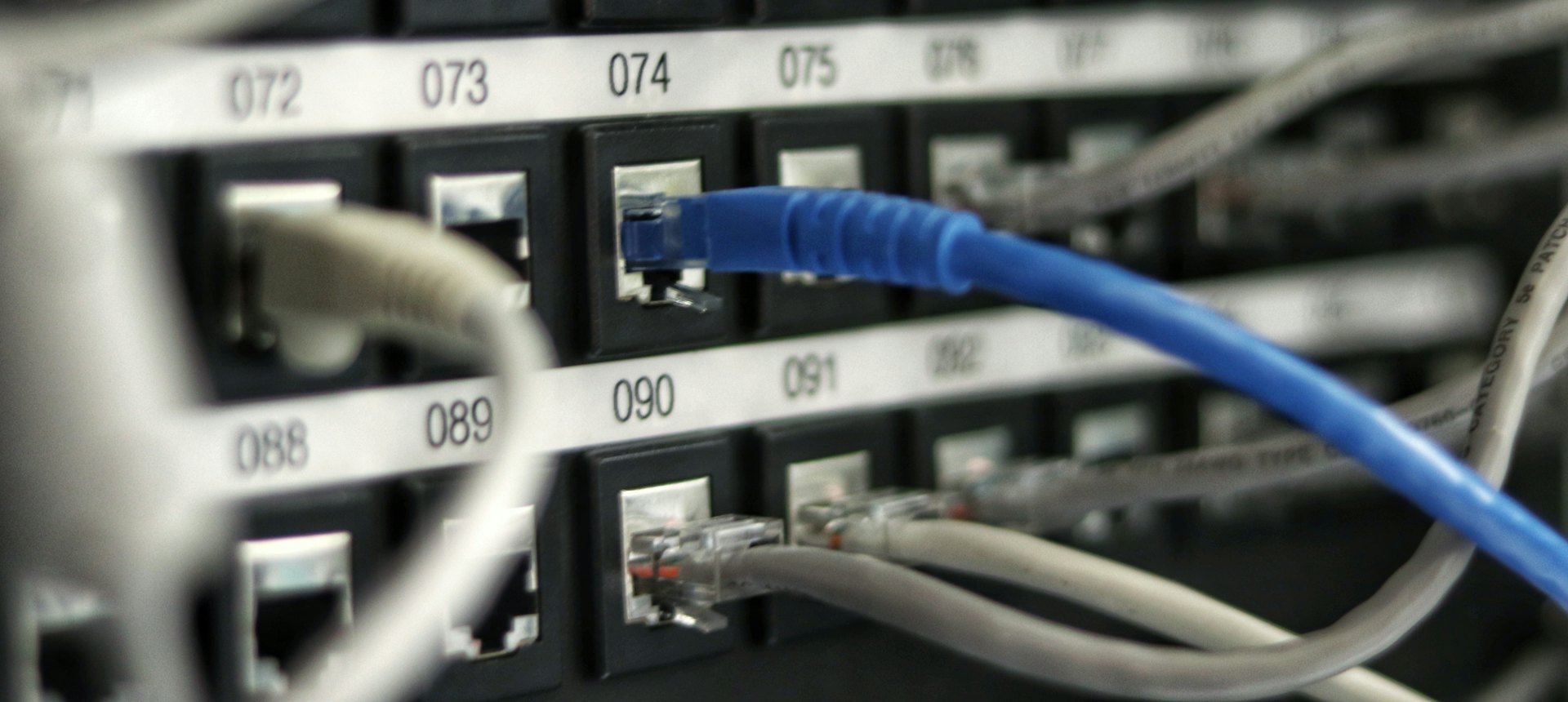
Network infrastructure in a server rack

Security leadership

Security leadership should create confidence.

Next step

What Cyber Risk Needs Your Attention?

Senior technology executive
  • Identify it.
  • Prioritize it.
  • Reduce it.

Whether you're assessing your current posture, modernizing security architecture, preparing for compliance, or trying to execute a backlog of remediation:

Let's move from knowing about the risk to doing something about it.

or

Want a broader view of your IT organization?

30 Questions • 10 Minutes • Immediate Results